Unlocking the catalytic precision of ligand-controlled enzymatic halogenation
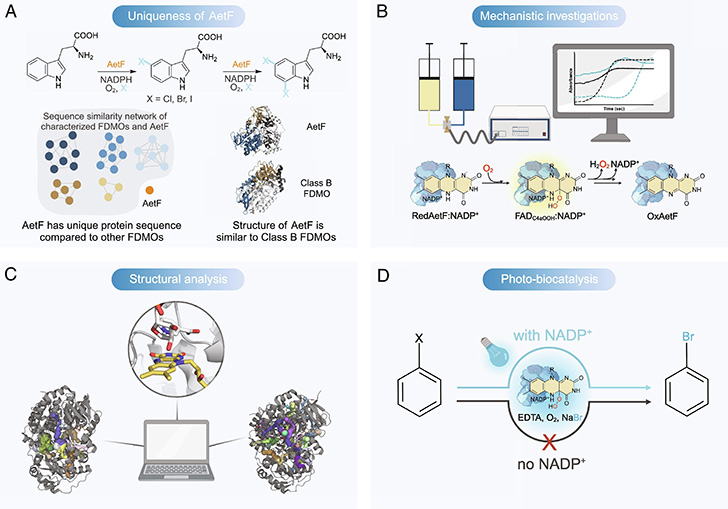
This work reports pre-steady-state kinetics of a single-component FDH (AetF)…
https://doi.org/10.1073/pnas.2409479122Selected discoveries published in leading journals
This work reports pre-steady-state kinetics of a single-component FDH (AetF)…
https://doi.org/10.1073/pnas.2409479122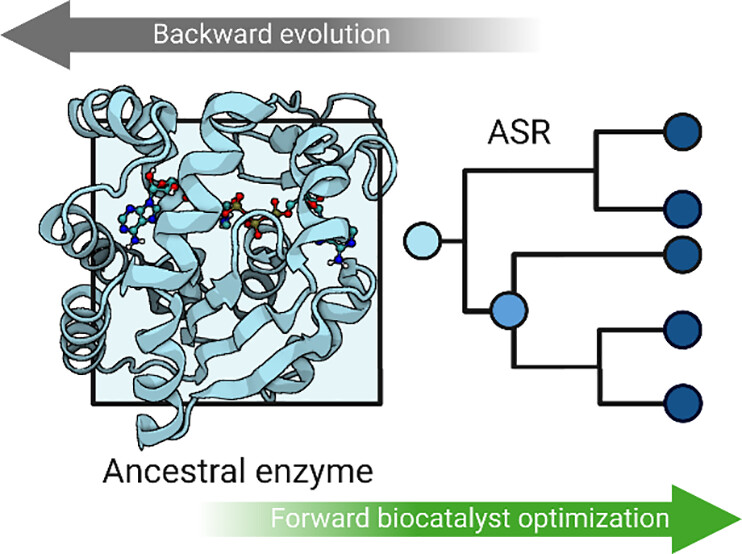
Biocatalysis has emerged as a green approach for efficient and sustainable production in various industries…
https://doi.org/10.1021/jacsau.4c00653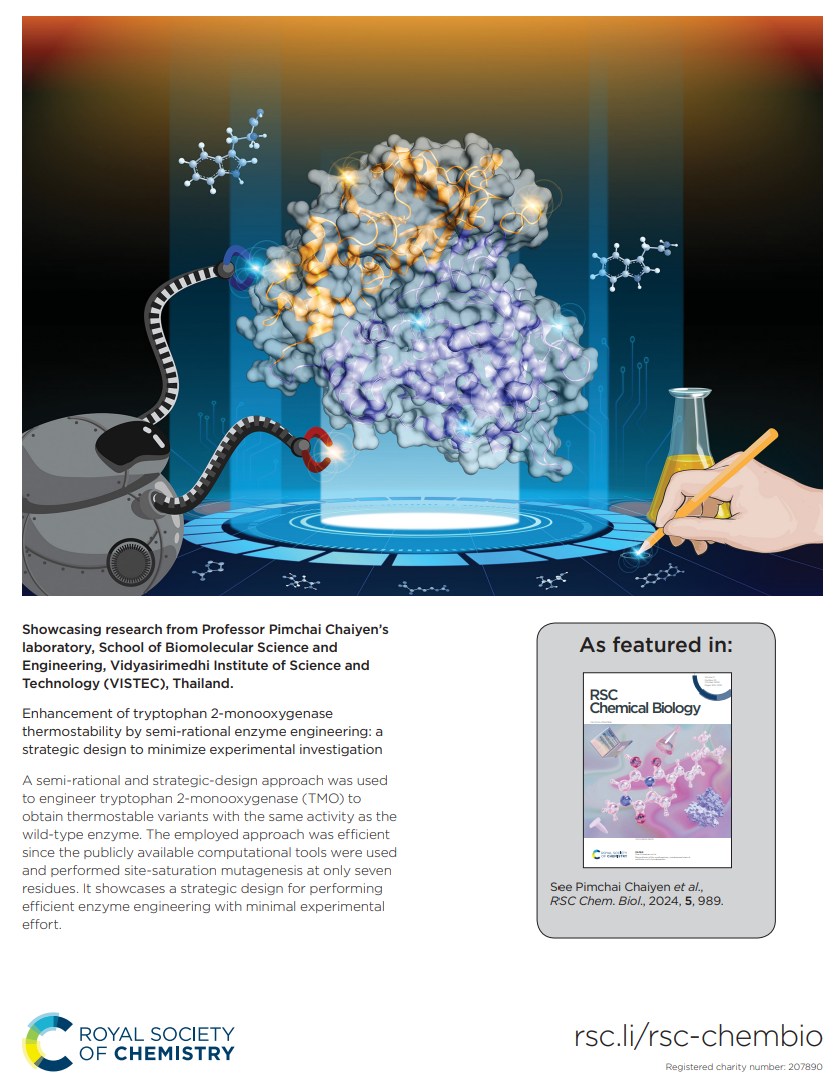
Tryptophan 2-monooxygenase (TMO) is an FAD-bound flavoenzyme which catalyzes the oxidative decarboxylation of L-tryptophan to produce indole-3-acetamide (IAM) and carbon dioxide…
https://doi.org/10.1039/d4cb00102h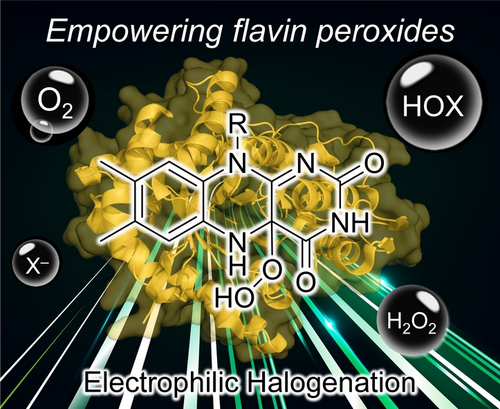
Electrophilic halogenases in nature are typically not efficient. Guided by flavin-dependent halogenase mechanisms and taking advantage of the versatile reactivity of a flavin hydroperoxide adduct and in situ generation of H2O2 by flavin-dependent enzymes…
https://doi.org/10.1002/anie.202403858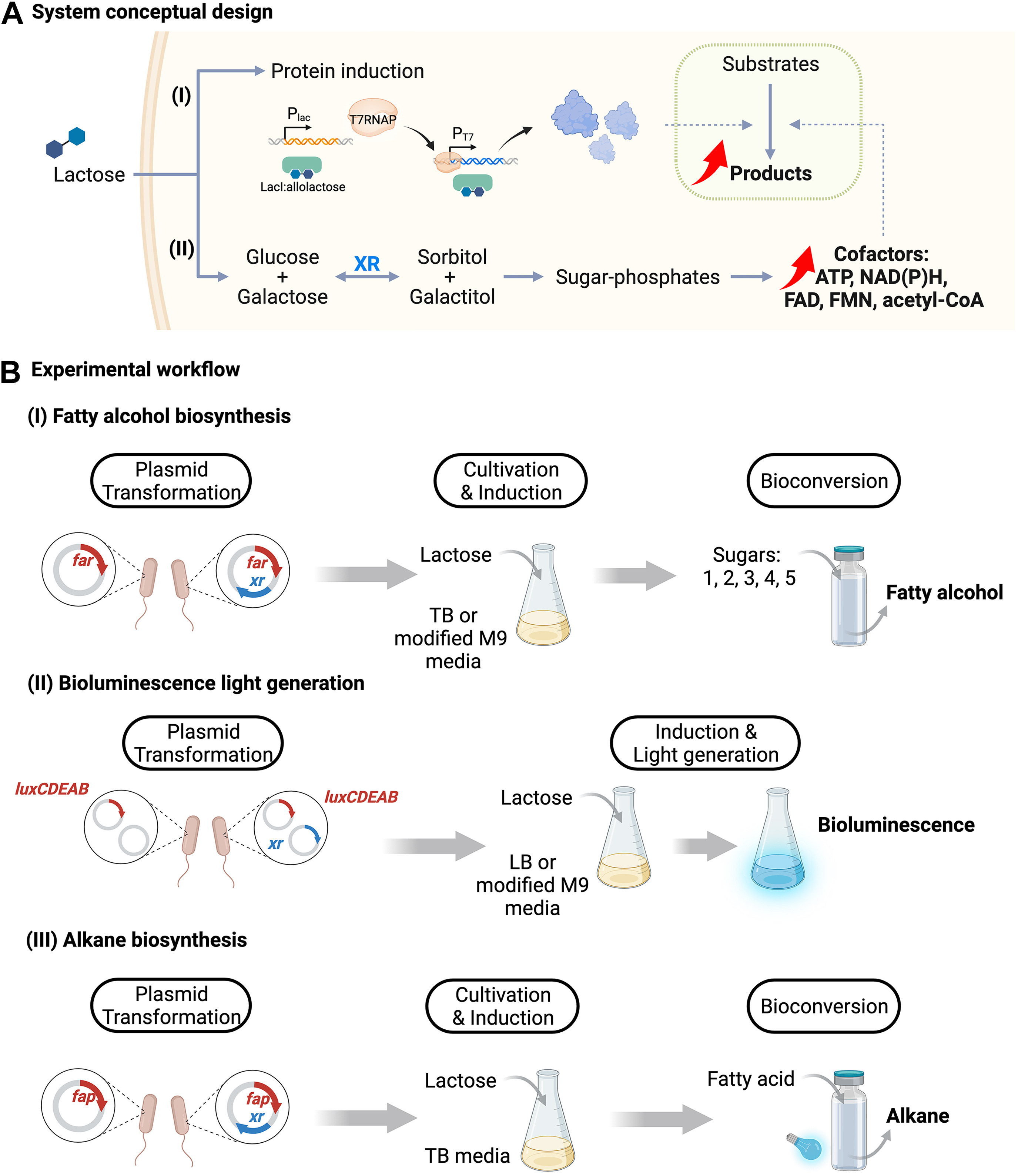
Cofactor imbalance obstructs the productivities of metabolically engineered cells. Herein, we employed a minimally perturbing system…
https://doi.org/10.1016/j.jbc.2023.105598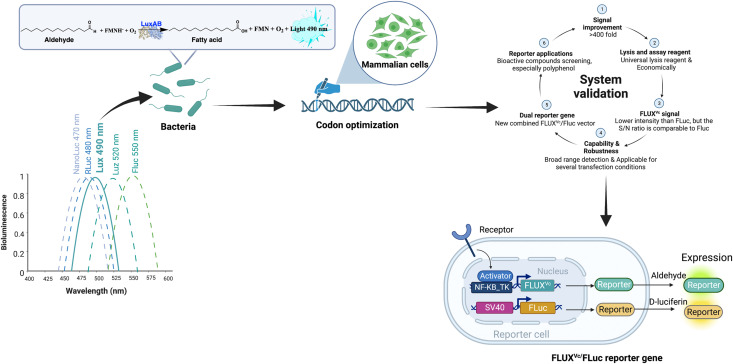
Luciferase-based gene reporters generating bioluminescence signals are important tools for biomedical research…
https://doi.org/10.1016/j.jbc.2023.104639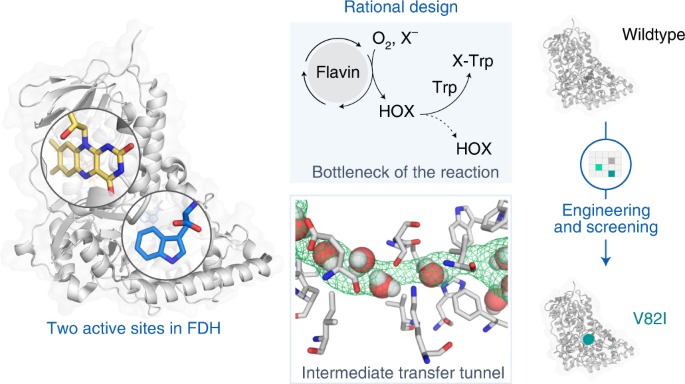
Although flavin-dependent halogenases (FDHs) are attractive for C–H bond activation, their applications are limited due to low turnover and stability…
https://doi.org/10.1038/s41929-022-00800-8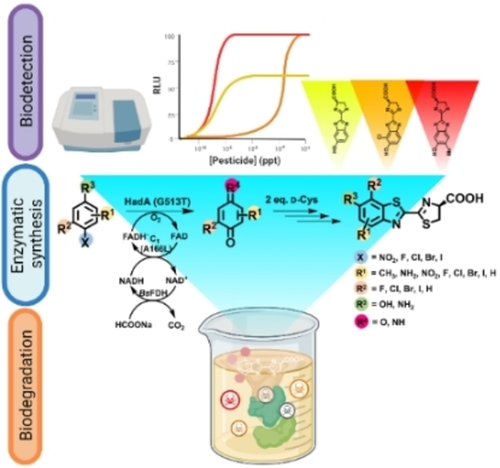
Enzymatic reactions were developed to convert 19 phenolic derivatives containing halogen, nitro, and methyl substituents into eight D-luciferin analogues…
https://doi.org/10.1002/anie.202116908
Since the industrial revolution, the rapid growth and development of global industries have depended largely upon the utilization of coal-derived chemicals, and more recently, the utilization of petroleum-based chemicals…
https://doi.org/10.1021/acs.chemrev.1c00121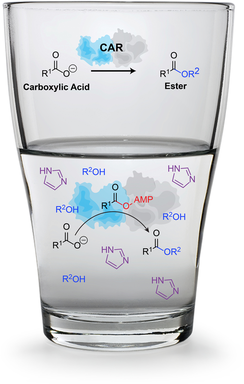
An efficient and green method is presented for the synthesis of esters using carboxylic acid reductase as a biocatalyst under mild aqueous conditions…
https://doi.org/10.1002/anie.202013962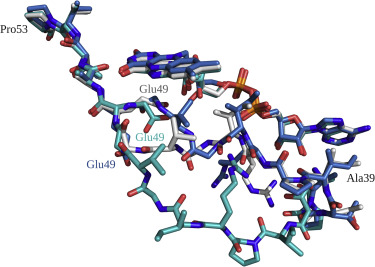
A mechanistic study revealing why flavin-dependent halogenases have low catalytic capability, providing a basis for engineering more efficient halogenases…
https://doi.org/10.1074/jbc.RA120.016004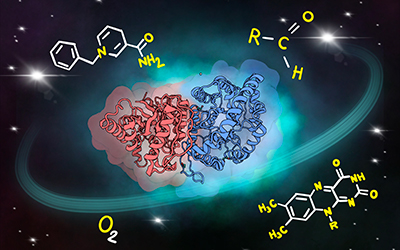
The nicotinamide biomimetic BNAH has been demonstrated to serve as an effective reductant for generating reduced flavin in the chemoenzymatic cascade reaction of bacterial luciferase…
https://doi.org/10.1002/cbic.202000100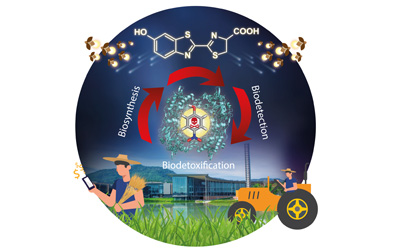
The flavin-dependent monooxygenase, HadA, catalyzes the dehalogenation and denitration of the toxicants, nitro- and halogenated phenols, to benzoquinone…
https://doi.org/10.1002/anie.201904923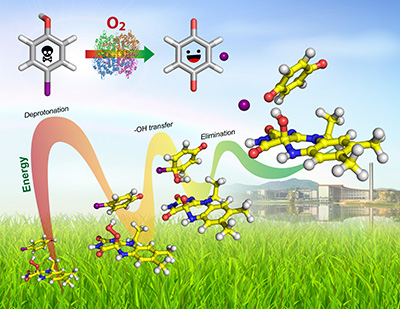
Enzymes that are capable of detoxifying halogenated phenols (HPs) and nitrophenols (NPs) are valuable for bioremediation and waste biorefining…
https://doi.org/10.1039/C8SC01482E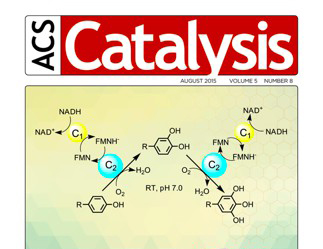
Trihydroxyphenolic acids such as 3,4,5-trihydroxycinnamic acid (3,4,5-THCA) and 2-(3,4,5-trihydroxyphenyl)acetic acid (3,4,5-THPA) are strong antioxidants that are potentially useful as medicinal agents…
https://doi.org/10.1021/acscatal.5b00439